Why Consent Is a Nervous System Issue
Consent is often described as a social or ethical concept. It is both. But consent is also deeply neurological.
The brain and body are constantly evaluating whether an experience is safe, chosen, and controllable. When people feel trapped, pressured, or unable to speak, the nervous system may shift into protection. That protection can look like tension, freezing, withdrawal, nervous laughter, or automatic compliance.
For people who have experienced trauma, consent is not a formality. It can be the difference between connection and shutdown.
In Partnered Wellness, consent-based movement means that touch, movement, pressure, and pacing are never assumed. They are discussed, checked, and adjusted. This kind of practice can help participants experience agency—the felt sense that “I have a say in what happens to my body.”
Kama Flight and the Practice of Choice
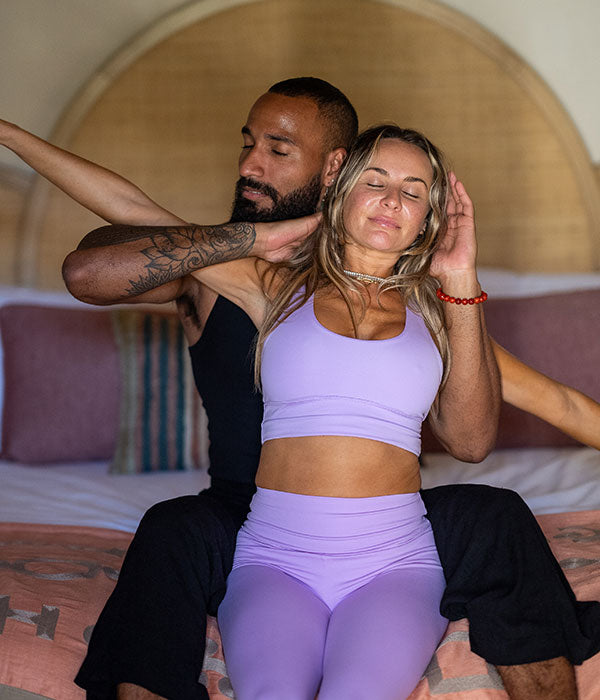
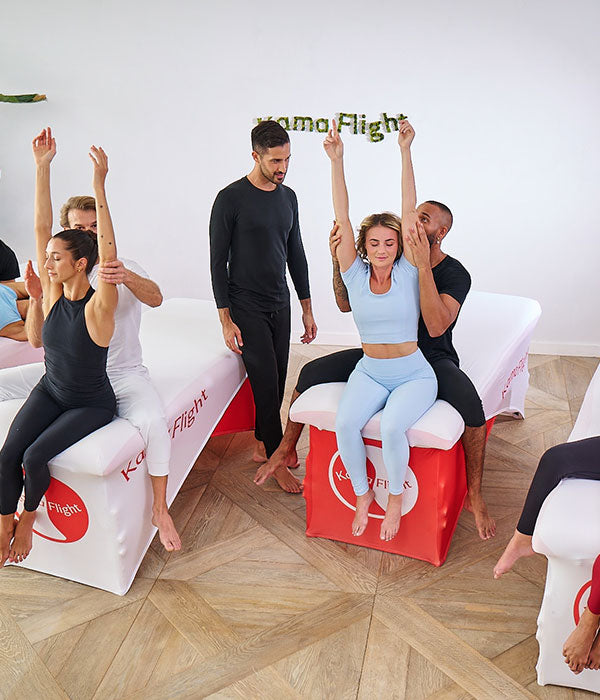
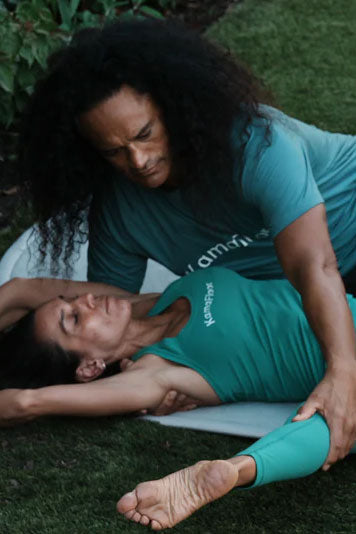
Kama Flight is a partnered movement practice that blends movement, trust, communication, and relational connection. Because the practice happens with another person, consent is not just a safety rule. It becomes part of the movement itself.
Every question matters:
“Is this okay?”
“Would you like more or less pressure?”
“Do you want to pause?”
“Are you ready to continue?”
These questions may sound simple, but from a neuroscience perspective, they communicate safety. They help the brain predict that the environment is responsive rather than threatening.
Trauma, Control, and the Body
Trauma can disrupt a person’s sense of control. Some people may become highly vigilant. Others may become disconnected from bodily sensations. Some may struggle to say no, even when they feel uncomfortable.
Consent-based movement may help by creating repeated, low-pressure moments of choice. Participants can practice noticing what they feel, naming what they need, and seeing that their communication changes the interaction.
The Brain Learns Through Repetition
The nervous system learns from repeated experiences. If a person repeatedly experiences that their “no” is ignored, the body may learn that boundaries are unsafe or useless. If a person repeatedly experiences that their “no” is respected, the body may begin to update that prediction.
This is one reason consent-based wellness can be powerful. It gives people opportunities to practice boundaries in real time.
How Kama Flight May Help Build Trust
Kama Flight may support trust-building when facilitators and partners emphasize choice, clarity, and mutual respect. The goal is not to push people into vulnerability. The goal is to make vulnerability optional, paced, and supported.
Trust With Another Person
Partnered movement can become a structured way to practice listening and responding. One person offers support; the other communicates what feels safe. Over time, this can help strengthen interpersonal trust.
Trust With the Self
Consent-based movement can also strengthen self-trust. A participant may learn, “I can notice my body. I can speak up. I can change my mind.” For trauma-sensitive wellness, that self-trust is essential.
Trust in the Practice
A safe practice is predictable enough to relax into and flexible enough to adapt. Kama Flight may help by providing structured movement patterns while still allowing personal choice.
Consent Is Not a Barrier to Connection
Some people worry that consent checks interrupt flow. In reality, consent can deepen flow.
When a participant knows they can pause or modify, they may feel safer exploring. When partners know how to ask and adjust, they may become more attuned. Consent does not remove intimacy from movement. It makes intimacy more trustworthy.
A Public Neuroscience Takeaway
The brain does not relax because we tell it to relax. It relaxes when it receives enough cues of safety.
Consent is one of those cues.
In Partnered Wellness, consent can help shift the body from defense toward presence. Kama Flight may support this shift by making communication, listening, and mutual choice part of the practice. For people with trauma histories, that foundation can make connection feel less like a risk and more like a possibility.
Sources
-
SAMHSA’s Concept of Trauma and Guidance for a Trauma-Informed Approach
-
Social Support Can Buffer Against Stress and Shape Brain Activity